
The historical evolution of casinos from ancient games to modern entertainment hubs
The Origins of Gambling in Ancient Civilizations
The roots of gambling can be traced back to ancient civilizations where games of chance were not just entertainment but also held significant cultural importance. The earliest evidence of gambling dates back to around 3000 BC in Mesopotamia, where dice were made from the knucklebones of animals. These primitive games often involved betting on outcomes, reflecting a blend of luck and social interaction, establishing connections akin to what we see today at https://queen88casino.com/.
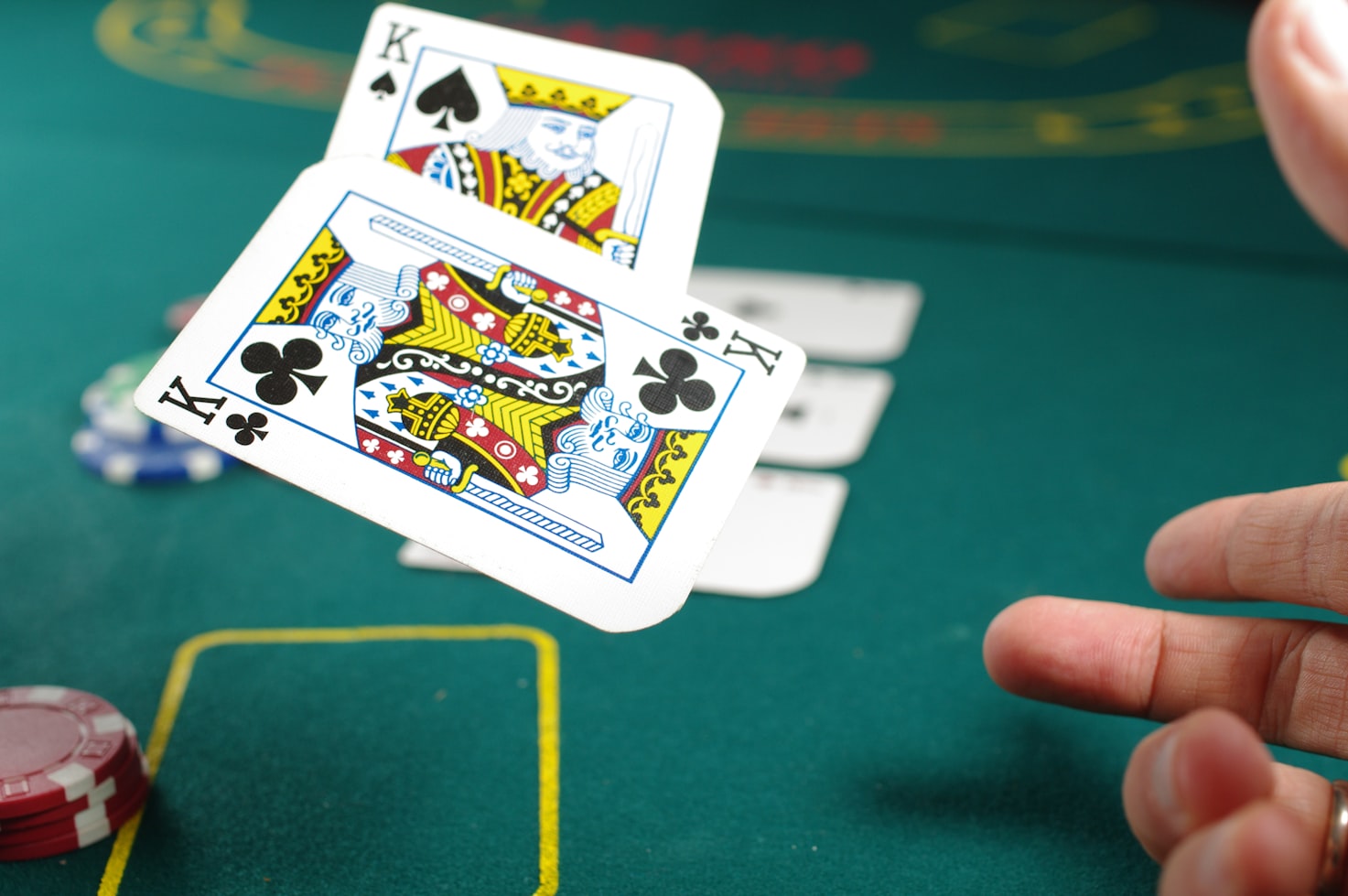
In ancient China, gambling emerged with games such as Keno and the earliest forms of dice. The Chinese were not only passionate about games of chance but also developed complex betting systems. Similarly, ancient Romans and Greeks engaged in gambling activities during festivals and events, introducing various games that evolved into the foundations of modern betting practices.
The Middle Ages and the Birth of Formal Gambling Venues
During the Middle Ages, gambling became more organized as it transitioned from informal gatherings to formalized establishments. The invention of playing cards in the 14th century marked a significant turning point, leading to the development of card games that would later dominate casinos. This period also saw the establishment of the first gaming houses in Italy, known as ‘ridotti,’ which catered to the aristocracy, laying the groundwork for future casinos.
As gambling gained popularity, laws began to emerge regulating these establishments. The rise of public gaming houses in Europe during the 17th century further contributed to the evolution of casinos. These venues attracted diverse social classes, creating a rich tapestry of gaming culture that would later flourish across the continent.
The Golden Age of Casinos in the 19th Century
The 19th century ushered in the golden age of casinos, particularly with the establishment of iconic venues like the Casino de Monte-Carlo in Monaco. These luxurious establishments became synonymous with high society and glamour, drawing elite patrons from around the world. The introduction of new games, such as roulette and baccarat, captivated players and set the stage for the casino experience we recognize today.
This era also saw the legalization of gambling in various jurisdictions, leading to a boom in casino development. In the United States, the rise of riverboat casinos in the 1830s created new entertainment options along the Mississippi River. This growth reflected a societal shift towards accepting gambling as a form of entertainment rather than a vice, paving the way for more expansive gaming laws.
The Transformation of Casinos in the 20th Century
The 20th century brought about significant changes in the casino landscape, driven by technological advancements and shifts in public perception. The emergence of Las Vegas in the 1940s as a gambling mecca revolutionized the industry. With luxurious hotels, extravagant shows, and an array of gaming options, Las Vegas transformed casinos into entertainment hubs that offered much more than just gambling.
This period also witnessed the introduction of electronic gaming machines, which quickly became popular among players. The combination of technology and entertainment led to a diversification of offerings in casinos, turning them into all-encompassing venues for leisure and social interaction.

Modern Casinos: The Ultimate Entertainment Experience
Today, casinos have evolved into sophisticated entertainment complexes that cater to a wide range of interests. They now feature not only traditional table games and slot machines but also luxurious dining options, live entertainment, and expansive shopping areas. This evolution has allowed casinos to attract a broader audience, transforming them into destinations for families and tourists.
Additionally, the rise of online casinos has revolutionized the gaming landscape. With virtual platforms offering convenient access to a plethora of games from anywhere in the world, players can enjoy the thrill of gambling without the need to visit a physical casino. This shift has created a new dimension of gaming, blending traditional experiences with modern technology.
